
Black History Month
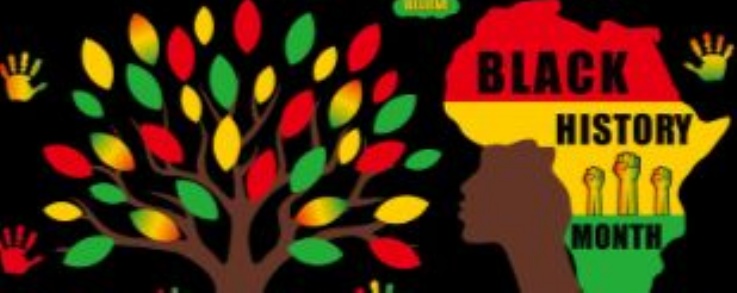
During Black History Month, the children demonstrated the importance of Black British figures, both historical and current, in relation to the topics they are studying.
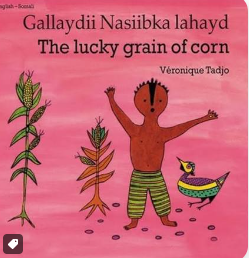
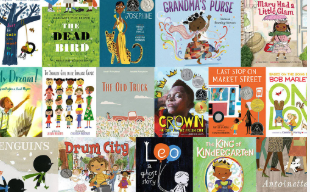
EYFS have been reading storybooks by various black writers, talking about authors and illustrators and what their jobs are. We looked at the picture books that celebrate traditions from around the world that are also represented in our classrooms.

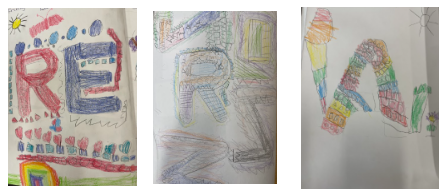
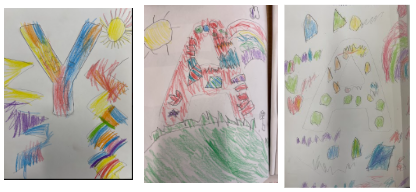
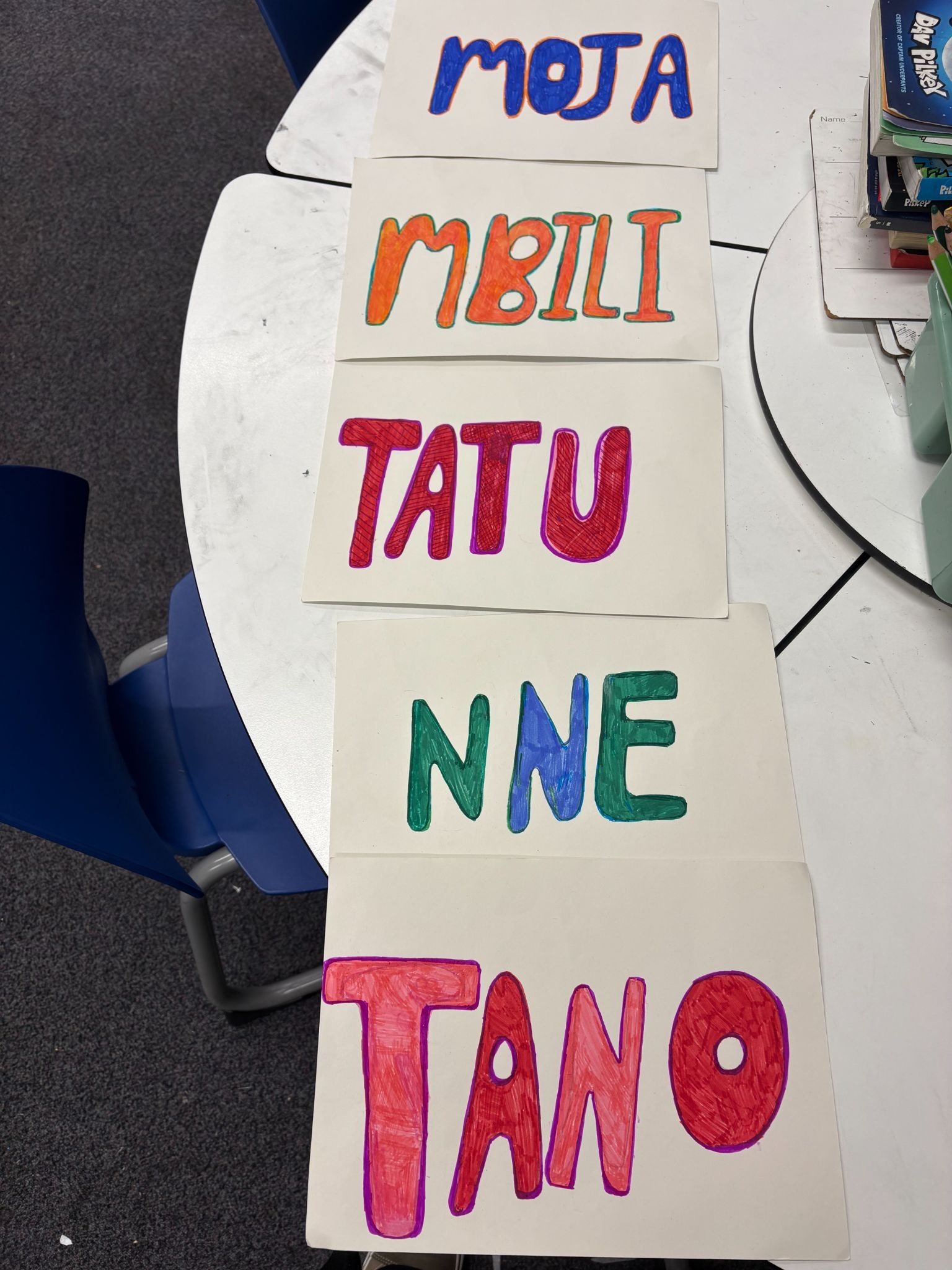
Year 1 explored the work of Black British artist Lakwena Maciver. We looked at her use of capital letters, bold messages, bright colours, and eye-catching patterns. The children created their own artwork inspired by her distinctive style, decorating large capital letters with colourful patterns and shapes. This work also linked to our learning about Percy Kelly. They made connections between the artists by identifying their use of bright colours.
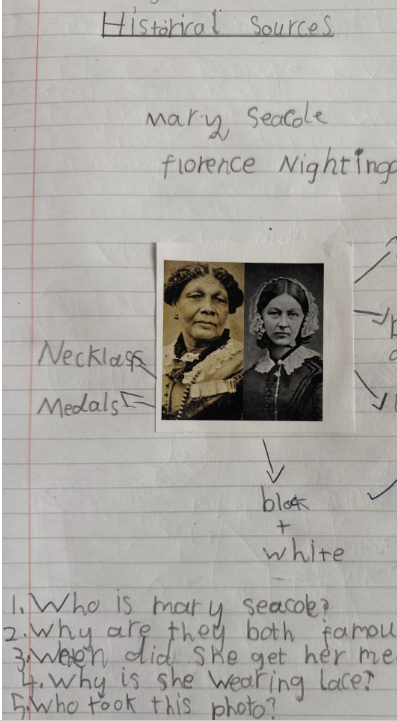
Year 2 are learning all about Mary Seacole, exploring her amazing life and her important role as a nurse during the war. Through carrying out research and discovering just how brave, resilient, and important she was in shaping modern healthcare and history. They will continue learning more about her incredible legacy over the coming weeks and will be creating some wonderful collage art inspired by her story this term!
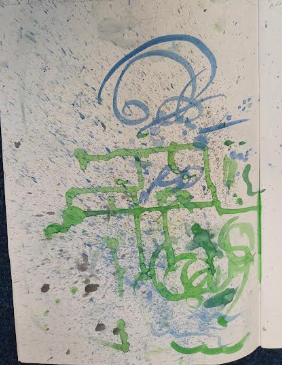
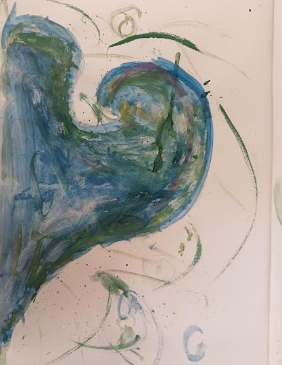
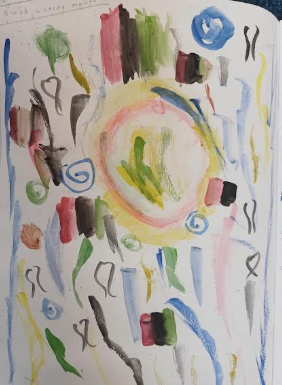
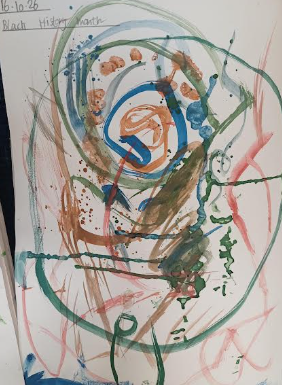
Year 3 explored Black History Month by looking at Sir Frank Bowling and the power of colour. We looked at why every October in the United Kingdom, we celebrate Black History Month. Year 3 learnt that it is a dedicated time to discover, honour and celebrate the remarkable achievements of Black people throughout history. From pioneering scientists and writers to brilliant musicians and artists, Black history is a vital part of our shared British story. We discussed why Sir Frank Bowling is an important British artist and pioneer. Inspired by him and his artwork, we then created our own colourful abstract artwork pieces. Inspired by feelings and the atmosphere.
In Year 4, we learnt about the Beachy Head Lady, a woman who lived in Britain during the Roman period, around 1,800 years ago. We looked closely at the evidence that archaeologists and scientists have discovered about her, including her skeleton and scientific research into her origins. Learning about the Beachy Head Lady has helped us to understand that Britain has always been home to people from different backgrounds and cultures. Her story challenges some of the ideas we may have learnt about the past and shows us why it is important to look carefully at historical evidence rather than make assumptions. It also helps us recognise that Black people were part of British history during the Roman period, much earlier than many people realise.By studying the Beachy Head Lady, we developed a more accurate and inclusive understanding of our history. Her story reminds us that history is not always what we first think it is, and that new discoveries can change what we know about the past.We have also been learning Swahili as a school, which is a language spoken in parts of East Africa. Learning Swahili has helped us explore different cultures, traditions and ways of communicating. It has also helped us make connections with our learning about the Beachy Head Lady and the history of Black people in Britain.
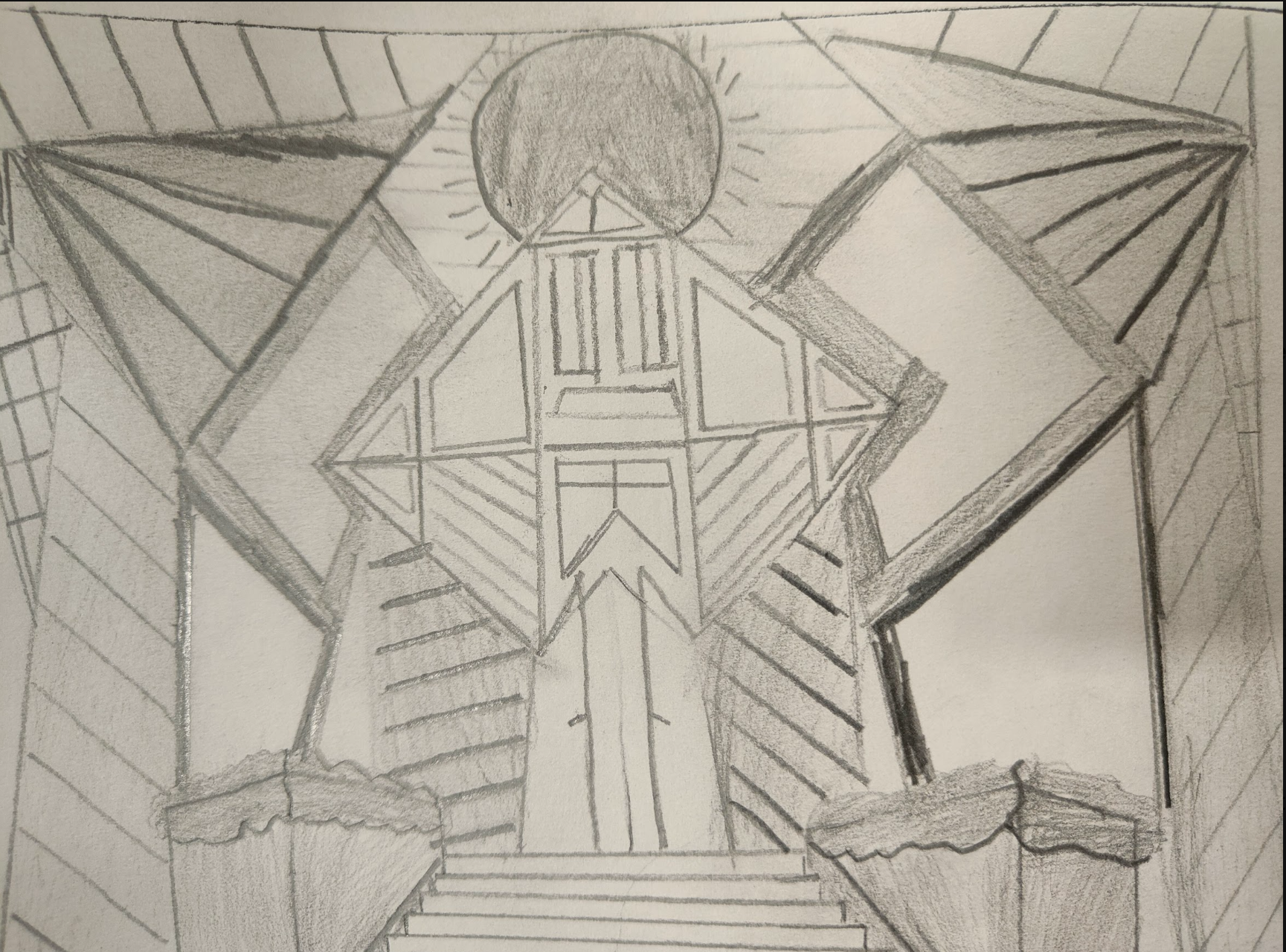
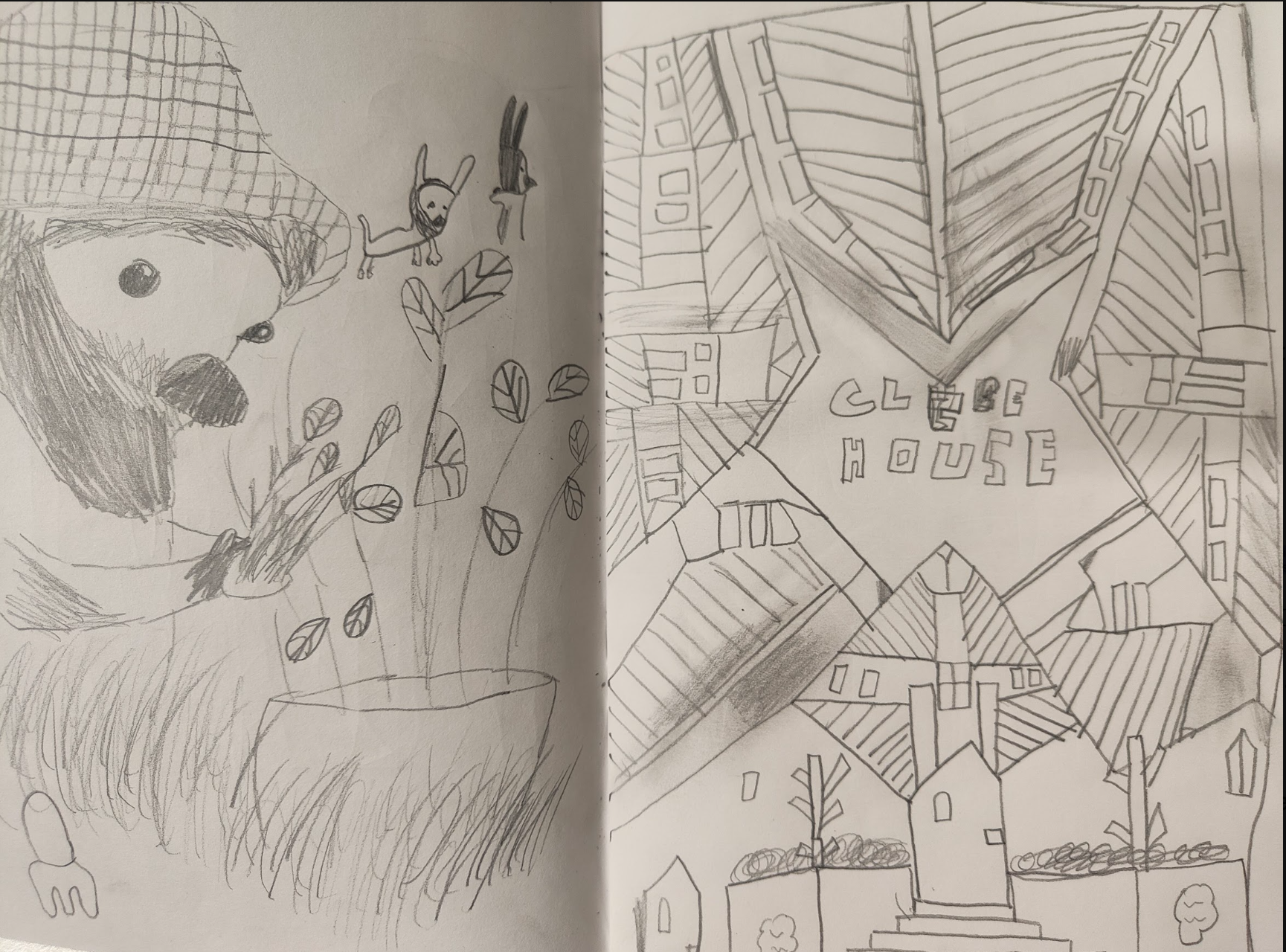
Year 5 linked the amazing art of Sonia Boyce to both our Art topic, Cubism, as well as our Autumn 1 core text in English, The Varmints. Contemporary British artist Sonia Boyce uses various patterns, wallpaper designs, collage, and overlapping layers in her work. Boyce layers patterns and family memories to show how people stay connected to their heritage and environment. This links with the Varmint’s preservation of the flora to keep connected to their own heritage and the environment that they once had.
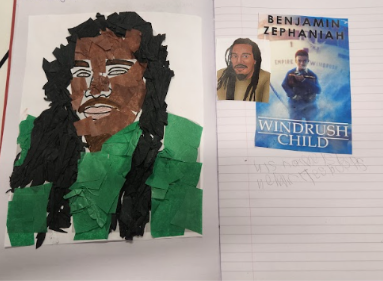
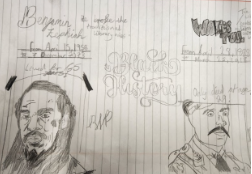
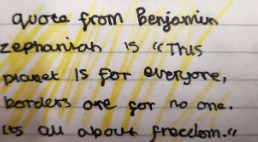
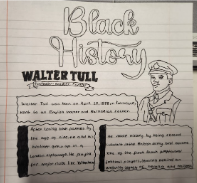
Year 6 connected their history studies on the British Empire and their core text Windrush Child to explore the lives of Walter Tull and Benjamin Zephaniah. Pupils investigated how Tull’s pioneering WWI military service and Zephaniah’s post-war storytelling highlight a century of Black British service, migration, and lasting contribution to modern history.